Strait of Hormuz governance should be pursued by leveraging private sector capacities
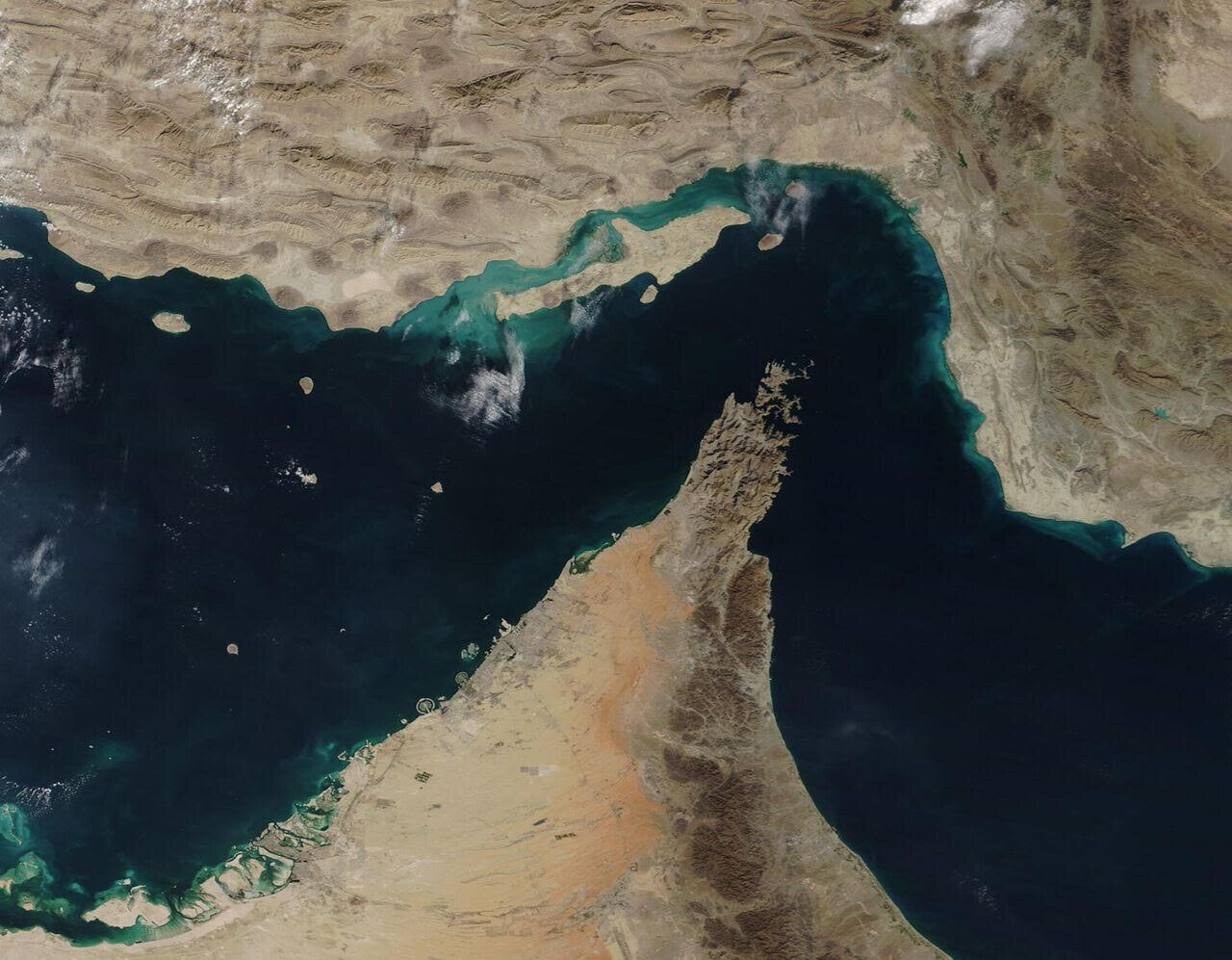
TEHRAN- The head of the Corporate Governance Commission of the Tehran Chamber of Commerce, Industries, Mines, and Agriculture, referring to the importance of the Strait of Hormuz as a national asset, called for designing targeted mechanisms to utilize the capacities of this waterway in the post-war period.
At the ninth meeting of the Corporate Governance Commission of the Tehran Chamber, attended by economic activists from various fields, the geopolitical and legal characteristics of the Strait of Hormuz were explained. It was stated that if a stable governance system is established, economic exploitation of the Strait of Hormuz is possible through tools such as collecting transit tolls, safety and navigation management, creating regional consortiums, and developing marine support services.
Hassan Forouzanfar, head of the Corporate Governance Commission of the Tehran Chamber, at the beginning of this meeting, referring to the importance of the Strait of Hormuz as a national asset, called for designing targeted mechanisms to utilize the capacities of this waterway in the post-war period.
Emphasizing the need for long-term planning and an active role for the private sector in providing proposals related to the governance of the Strait of Hormuz, he stated: Given that the Strait of Hormuz is a national asset and brings potential capacities for the country, it is appropriate for economic activists, organizations, and associations to think about this international waterway and its potentials, and to examine the Strait of Hormuz from national, governance, economic, and other aspects for better decision-making. Because understanding the impacts of the Strait of Hormuz on the global economy provides an opportunity to leverage its position on a national level and can lead to strengthening the country's economic position.
Forouzanfar, stating that "the Strait of Hormuz is an international waterway and part of it is under Oman's control," deemed it necessary to examine Oman's governance model over the Strait of Hormuz and create synergies to establish an effective governance system over this waterway. He emphasized that with good governance, investment opportunities in this region can be optimized.
Davoud Khani, advisor to the Corporate Governance Commission of the Tehran Chamber of Commerce, continued the meeting by presenting a report on the position of the Strait of Hormuz and the governance situation in the region.
Khani, explaining the geopolitical and legal features of the Strait of Hormuz, including the Convention on the Territorial Sea and Contiguous Zone and the Law of the Sea Convention, described this waterway as one of the most vital chokepoints for global trade and energy. He said: Before the war began, between 16 and 20 million barrels of oil passed through this route daily, accounting for about a quarter of the world's oil trade. In addition, more than 50% of the commodity trade of regional countries is conducted through this strait.
According to him, the strait's unique geographical position—with a limited shipping route width, suitable depth, and the possibility of traffic control—has made it a strategic point for global energy security and trade, so that any disruption there has consequences beyond the region and leads to increased insurance and transportation costs.
Khani further pointed out the economic capacities of this waterway and emphasized: If a stable governance system based on international understanding is established, economic exploitation of the Strait of Hormuz is possible through tools such as collecting transit tolls, safety and navigation management, creating regional consortiums, and developing marine support services.
He explained that if tensions decrease and international obstacles are removed, the Strait of Hormuz can provide significant opportunities for the private sector in areas such as port services, logistics, insurance, financing, and investment in maritime infrastructure.
Later in the session, Peyman Sanandaji, head of the Transportation Commission of the Tehran Chamber, emphasizing the need for research on the governance of international waterways in other parts of the world and creating an appropriate governance model in this area, said: Weak governance leads to the loss of corridors and competitive markets. Therefore, by looking at governance experiences of other waterways in the world, a suitable mechanism can be proposed in this regard.
Referring to the joint governance of the Strait of Malacca, which lies between Indonesia, Malaysia, and Singapore, he noted: The governance of maritime transport routes, as seen in other straits, must encompass the mutual interests of the parties and be based on commercial charters.
Sanandaji stressed the need to create alternative trade routes and said: Successful governance occurs when alternatives exist. Maintaining competitive markets requires the use of alternative transport routes and support in this regard.
According to the head of the Transportation Commission of the Tehran Chamber, the private sector is doing its utmost to develop trade connections and is trying to provide solutions to overcome the challenges caused by the imposed war so that the trade cycle continues.
Maryam Tajabadi, a member of the Tehran Chamber's Board of Representatives, noting the growth of some Persian Gulf countries in recent decades relying on Iranian knowledge and specialized human resources, suggested that if a governance system regarding the Strait of Hormuz is formulated, revenue generation from this waterway should be done with a sustainable development approach. Tajabadi said: Retaining specialized labor and involving them in specialized projects with a view to sustainable development, in addition to preserving the environment, leads to economic growth and revenue generation.
Diako Hosseini, Deputy for Economic Studies and Futurology of the Tehran Chamber, in another part of the meeting, while emphasizing the need to avoid emotional reactions in the current situation, announced: Chambers of commerce play a key role in developing economic diplomacy, and in these circumstances, they can initiate effective dialogues with private sector activists in the region. Investing in cultural and economic commonalities, diversifying trade routes, and striving to reduce uncertainties in the region can also be pursued through cooperation between the government and the private sector.
The Deputy for Economic Studies and Futurology of the Tehran Chamber, stating that Iranian traders are currently forced to find alternative trade routes and transfer goods through other borders, highlighted the significant role of the Strait of Hormuz in the development of international trade. Hosseini also presented a report on the situation of similar waterways around the world and deemed research in this field and the issuance of statements by chambers of commerce on this matter necessary.
Mohammadreza Najafimanesh, head of the Business Environment Improvement and Production Barrier Removal Commission of the Tehran Chamber, at the end of the meeting, emphasized the need for written proposals from the private sector for the post-war period and the initiation of structured dialogues with the government regarding the governance of the Strait of Hormuz."
EF/MA
Leave a Comment